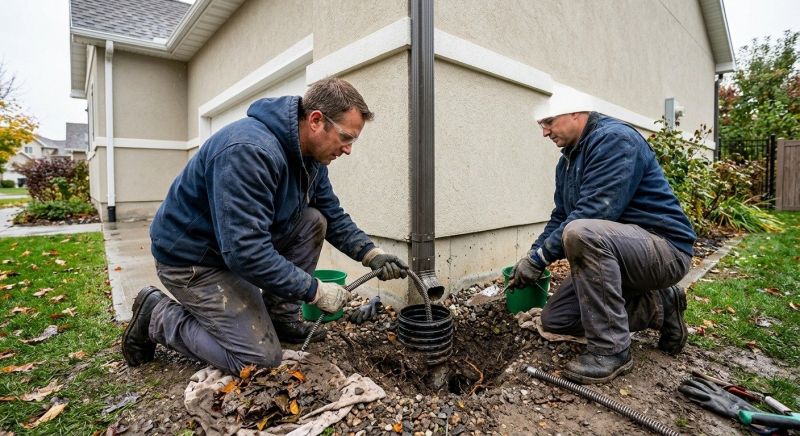
Downspout Cleaning in Longmont, CO
Downspout cleaning services involve removing debris, such as leaves, twigs, and dirt, from the downspouts and connecting drainage systems to ensure proper water flow away from the property. This service typically covers projects where homeowners notice water backup, overflow, or signs of blockages during heavy rains. Property owners often want to understand the importance of regular cleaning to prevent water damage, foundation issues, and landscape erosion, especially in areas prone to seasonal debris buildup.
Before requesting downspout cleaning, property owners should consider the length and complexity of their drainage system, as well as any existing structural concerns. It’s helpful to identify problem areas, such as sections that frequently clog or show signs of damage, to ensure the cleaning process addresses all potential issues. Proper maintenance can help protect the property’s foundation, prevent water intrusion, and extend the lifespan of the drainage components.
Many property owners in Longmont, CO look into Downspout Cleaning for repairs, replacements, upgrades, and appearance-related improvements.
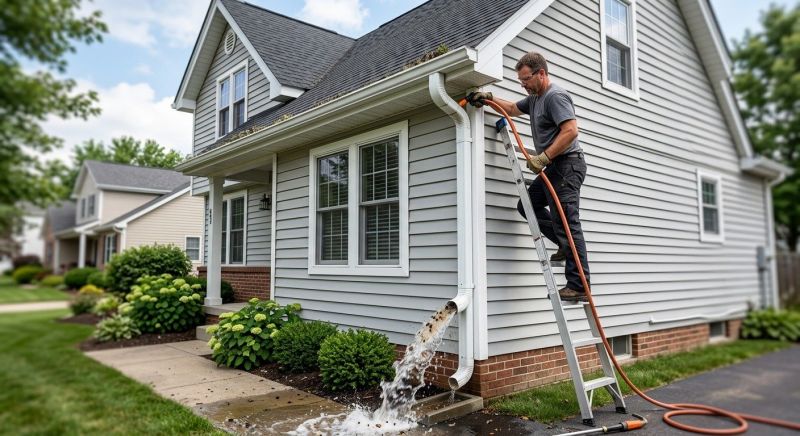
Maintaining Proper Drainage
Clean downspouts ensure water flows away from the foundation, preventing damage and erosion.
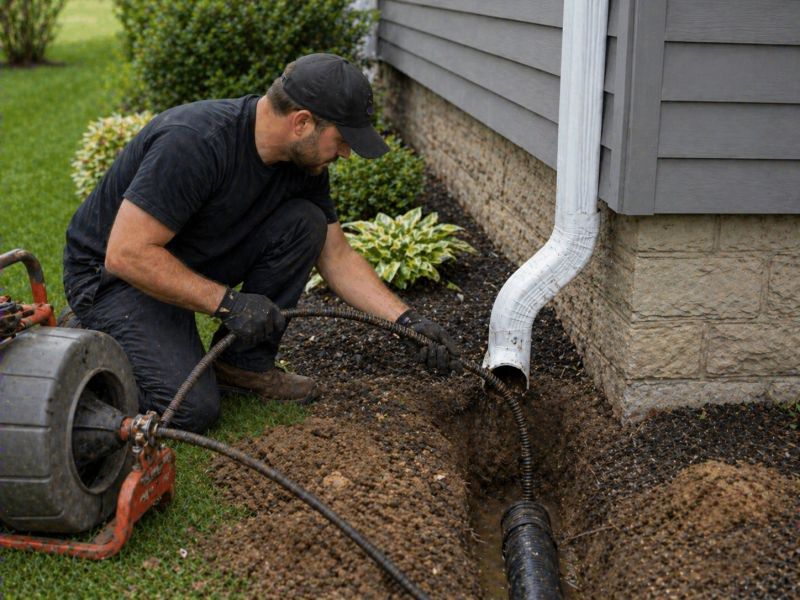
Preventing Blockages
Removing debris like leaves and twigs helps avoid clogs that can cause overflow and water damage.
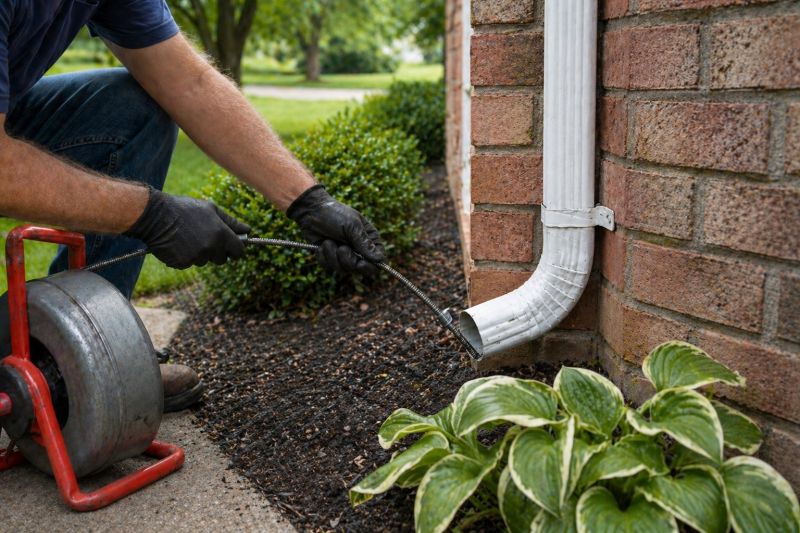
Protecting Property Value
Regular downspout cleaning helps preserve the integrity and appearance of homes in longmont and nearby areas.
Downspout Cleaning in Longmont, CO

Downspout cleaning services involve removing debris, such as leaves, twigs, and dirt, from the downspouts and connecting drainage systems to ensure proper water flow away from the property. This service typically covers projects where homeowners notice water backup, overflow, or signs of blockages during heavy rains. Property owners often want to understand the importance of regular cleaning to prevent water damage, foundation issues, and landscape erosion, especially in areas prone to seasonal debris buildup.
Before requesting downspout cleaning, property owners should consider the length and complexity of their drainage system, as well as any existing structural concerns. It’s helpful to identify problem areas, such as sections that frequently clog or show signs of damage, to ensure the cleaning process addresses all potential issues. Proper maintenance can help protect the property’s foundation, prevent water intrusion, and extend the lifespan of the drainage components.
Many property owners in Longmont, CO look into Downspout Cleaning for repairs, replacements, upgrades, and appearance-related improvements.
Common Downspout Cleaning Jobs
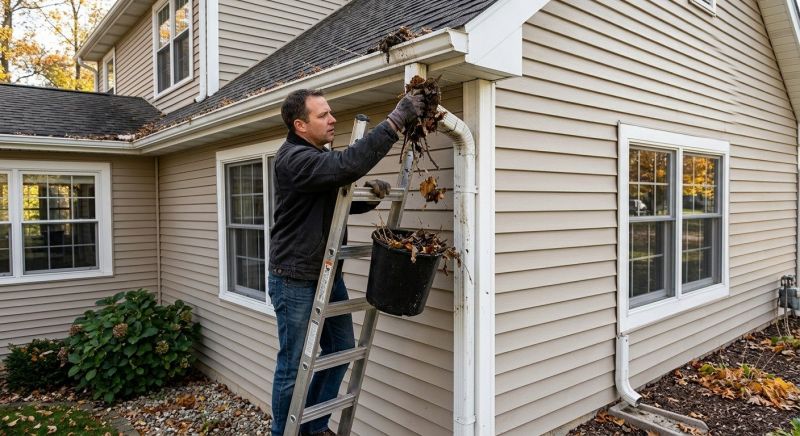
Downspout cleaning involves removing debris to ensure proper water flow away from the property.
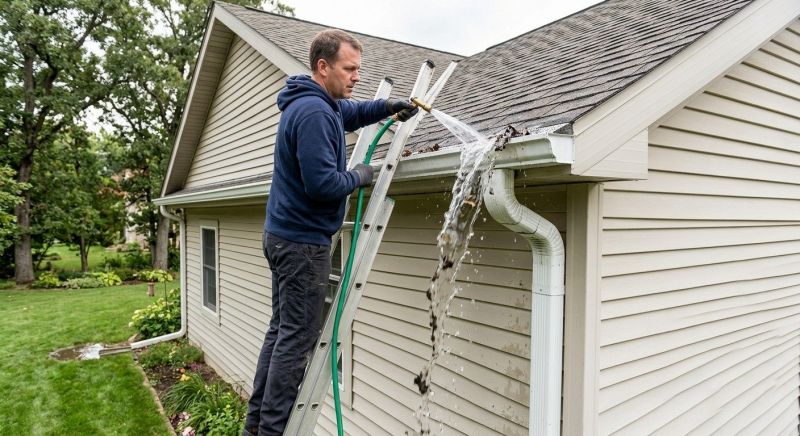
Gutter downspout flushing helps prevent blockages and reduces the risk of water damage.
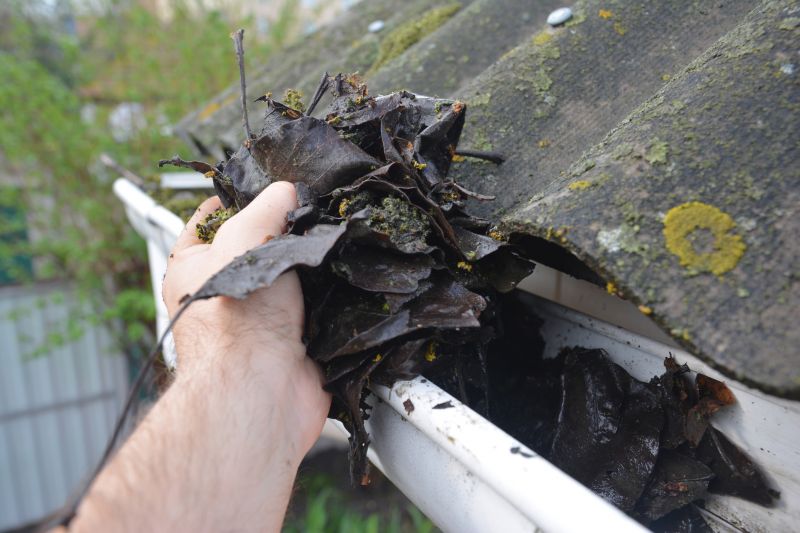
Clog removal clears obstructions that can cause overflowing and foundation issues.
Downspout inspection identifies potential damage or leaks that may need repairs.
Debris removal from downspouts keeps rainwater flowing freely during storms.
Downspout extension installation directs water further from the foundation to protect the landscape.
Downspout Cleaning Questions
Why is downspout cleaning important? Regular cleaning helps prevent clogs, water damage, and foundation issues by ensuring proper water flow away from the property.
How often should downspouts be cleaned? It is recommended to clean downspouts at least twice a year, typically in spring and fall, or more frequently if there are many trees nearby.
What signs indicate that downspouts need cleaning? Signs include overflowing water, visible debris, water pooling around the foundation, or sagging gutters connected to the downspouts.
What types of projects typically require downspout cleaning? Common projects include clearing blockages caused by leaves, twigs, or nests, and addressing drainage issues around the property.
Request Downspout Cleaning in Longmont, CO
Use the quote form on this page to share the basics of your project and request more information for the type of work you need.